

Storytelling Workshops: Bringing RomaPlaceAge Research Findings to Life
We have successfully held three storytelling workshops across our three case study sites: Glasgow on 5 June, Luton on 22 June, and Peterborough on 26 June.
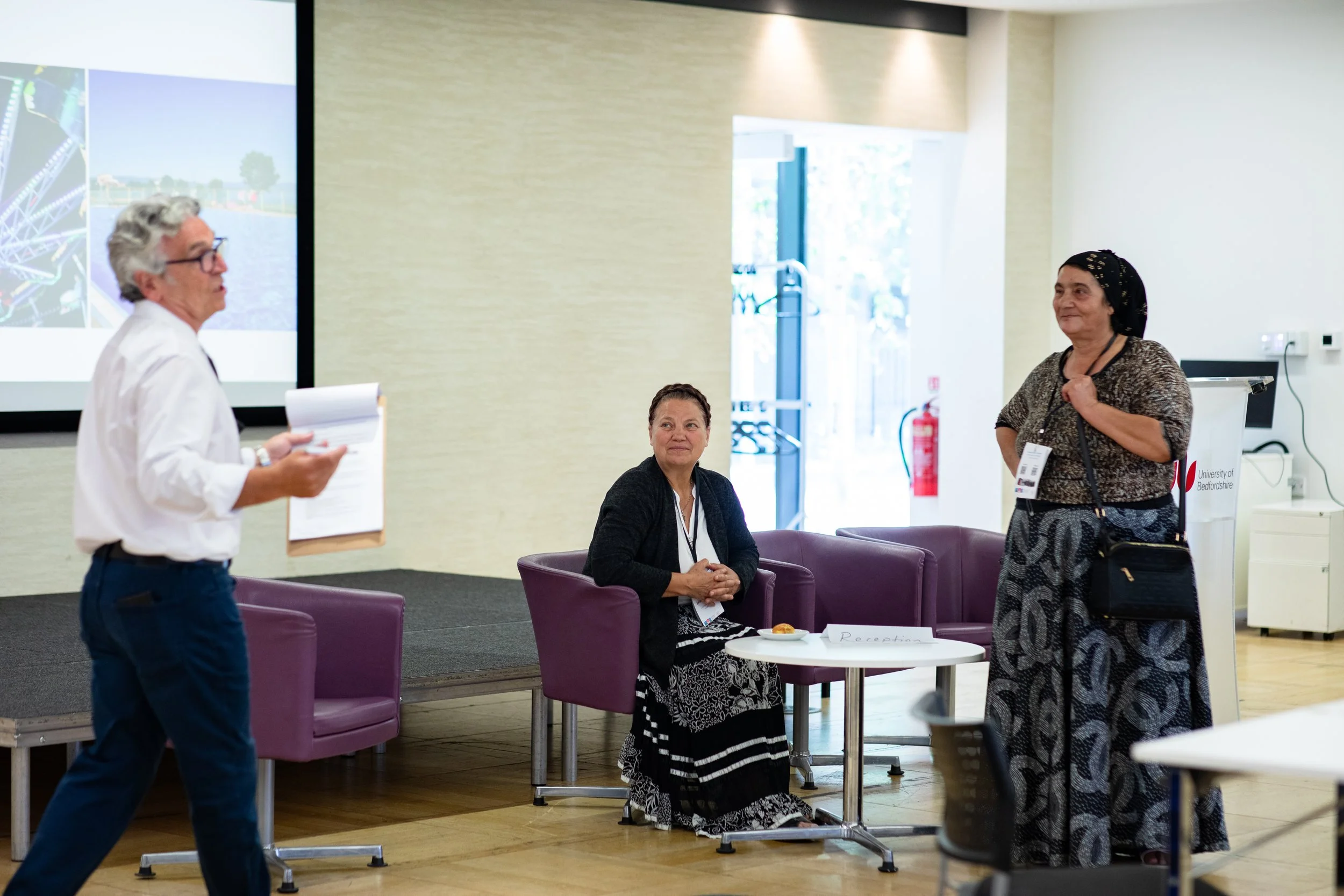
This time, we wanted to do something different. Rather than presenting our research findings in the traditional way, through slides and formal presentations, we used a more creative, participatory and engaging format: storytelling.
To help us do this, we worked with experienced storyteller Richard O’Neill MBE, who supported us in turning our research findings into a fun, imaginative and interactive storytelling experience. Richard led the workshops as if we were creating a TV production, where members of the audience were not just watching, but helping to shape the outcomes of each episode.
Across the workshops, we presented three episodes. Each episode focused on a key theme that emerged from our research with older Roma communities. With the help of Roma community members and Roma co-researchers, we re-enacted different scenes based on the research findings. At important points, we paused the story so that participants could reflect, comment, add their own views, and think about what could lead to a more positive outcome.
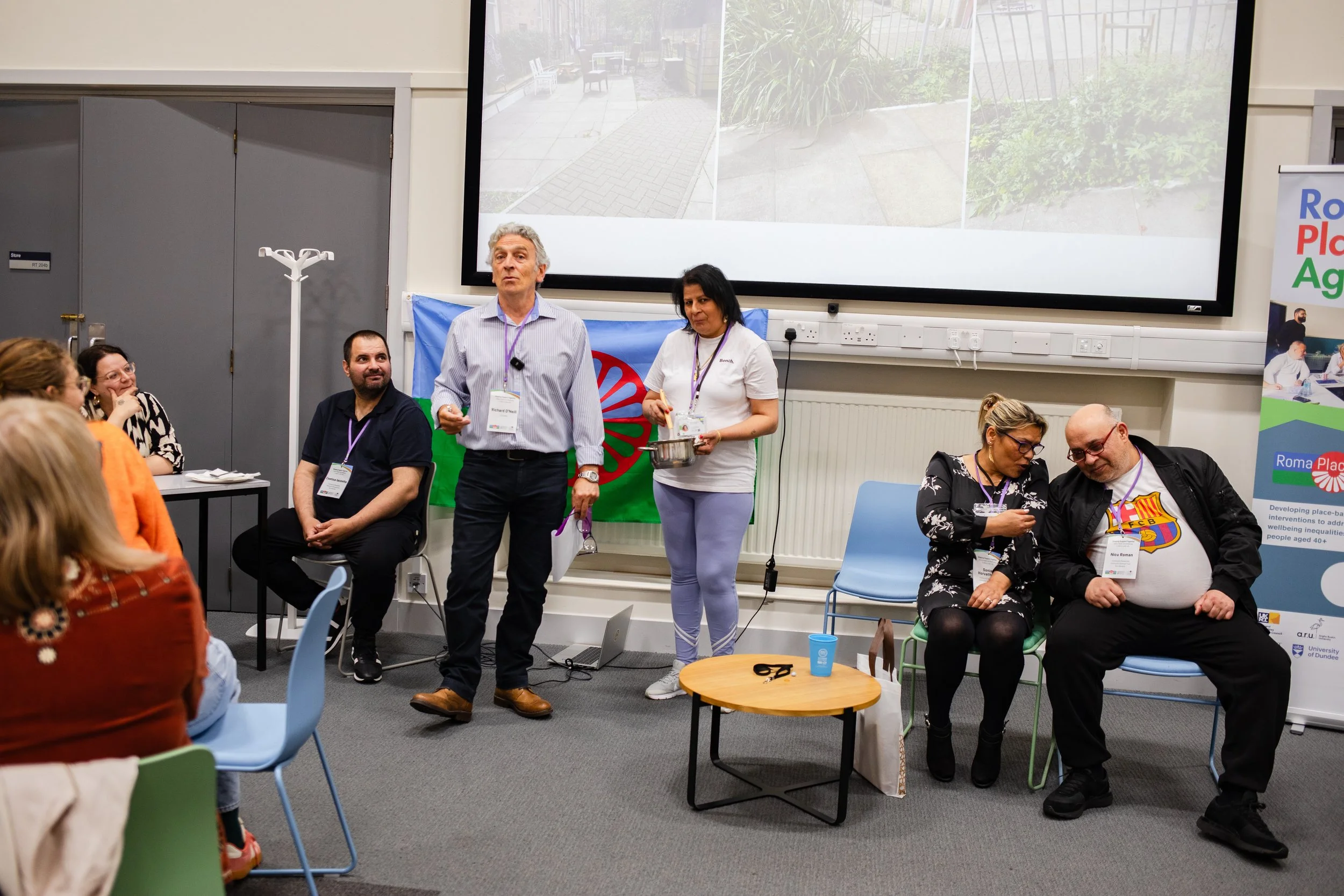
After each episode, participants worked together in breakout table discussions. These discussions focused on practical ideas and possible local interventions that could improve the ageing experiences of Roma communities in Glasgow, Luton and Peterborough.
The workshops brought together a strong mix of people, including Roma community members, Roma co-researchers, members of the RomaPlaceAge team, local councils, health services, housing organisations, translation services, community organisations and other service providers.
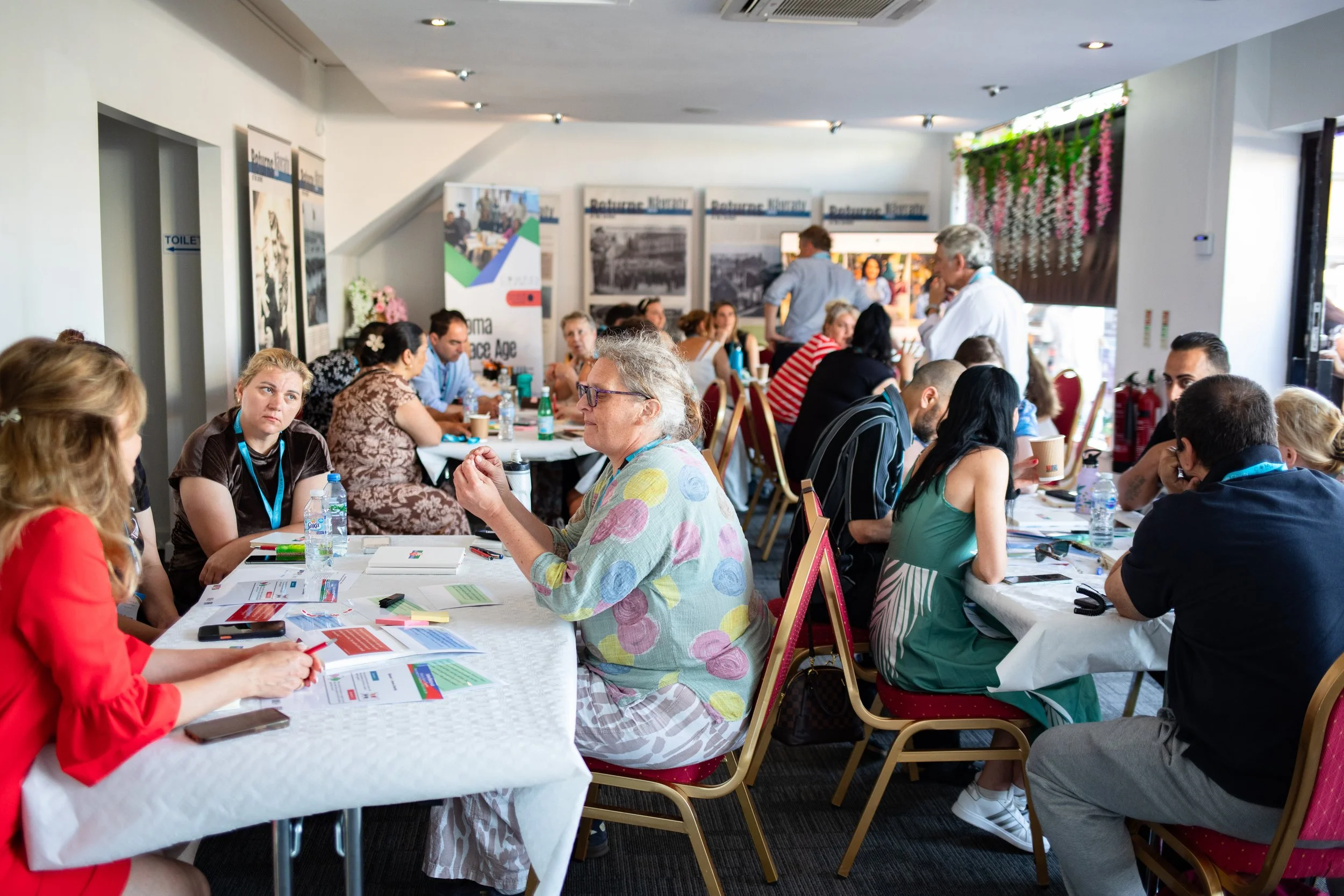
The main aim of the storytelling workshops was to inspire local interventions that are relevant, practical and shaped by the lived experiences of Roma communities. We wanted to create a space where research findings, community voices and professional knowledge could come together in a positive and constructive way.
The storytelling format helped make this possible. It created a space where people could talk openly, without blame or finger-pointing. Instead, everyone was invited to think creatively about what could change, what support is needed, and how older Roma people can feel safer, healthier, more included and better supported as they age in their communities.
Across all three sites, the discussions were very productive. We heard many thoughtful ideas for possible interventions, and there was a strong sense of energy, collaboration and shared purpose in the room.
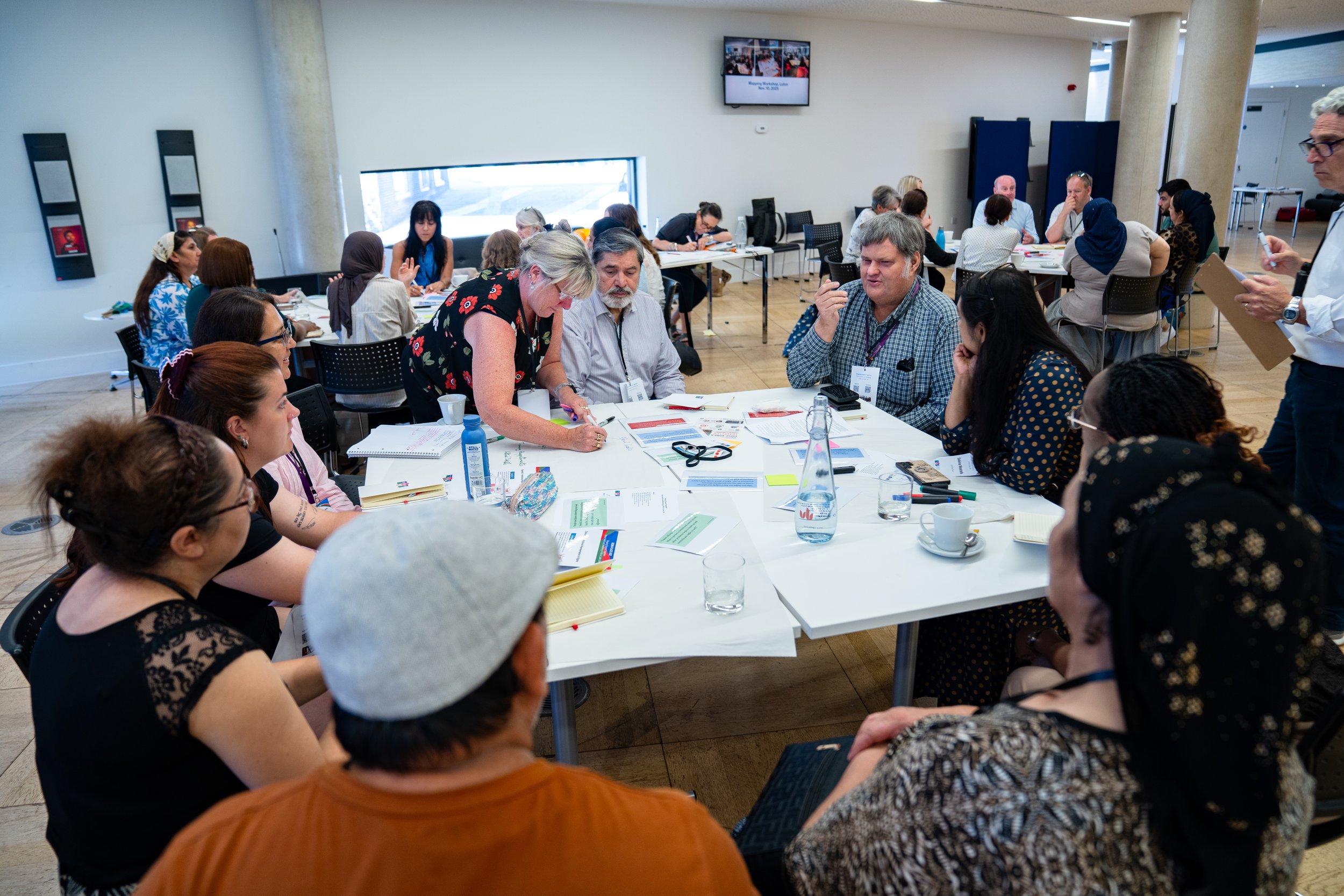
These workshops marked an important stage in the RomaPlaceAge project. They showed the value of bringing together research, lived experience, storytelling and local stakeholders in one space. They also helped build relationships and opened up possibilities for future collaboration.
We are now looking forward to the next stage of the project. Over the coming months, we will work with our partners, co-researchers and community members to develop the ideas that came out of each site and explore which interventions can be taken forward.
A huge thank you to everyone who took part in the Glasgow, Luton and Peterborough storytelling workshops, and to all those who helped make them such a success.