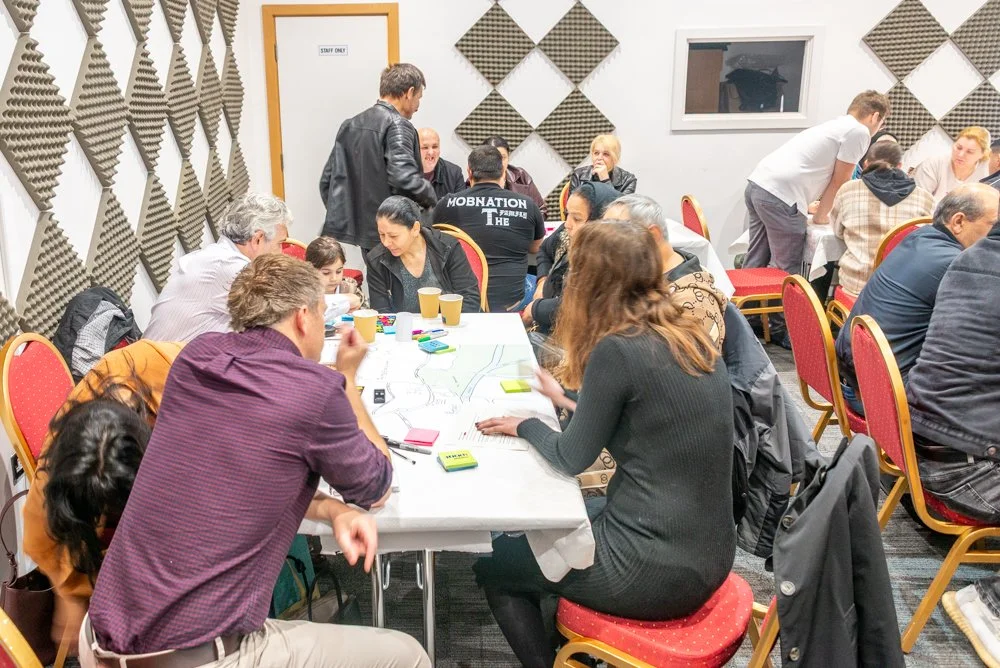
Participatory Mapping Workshops: Bringing Roma Voices to the Map
In the late 2025, the RomaPlaceAge project hosted three participatory mapping workshops with Roma communities across our case study sites.
Peterborough – end of October 2025
Govanhill (Glasgow) – November 2025
Luton – November 2025
These workshops were designed to create welcoming spaces where Roma participants could come together to share their lived experiences of ageing, reflect on the places and spaces that matter to them, and discuss both the challenges and strengths of their communities.
Why participatory mapping?
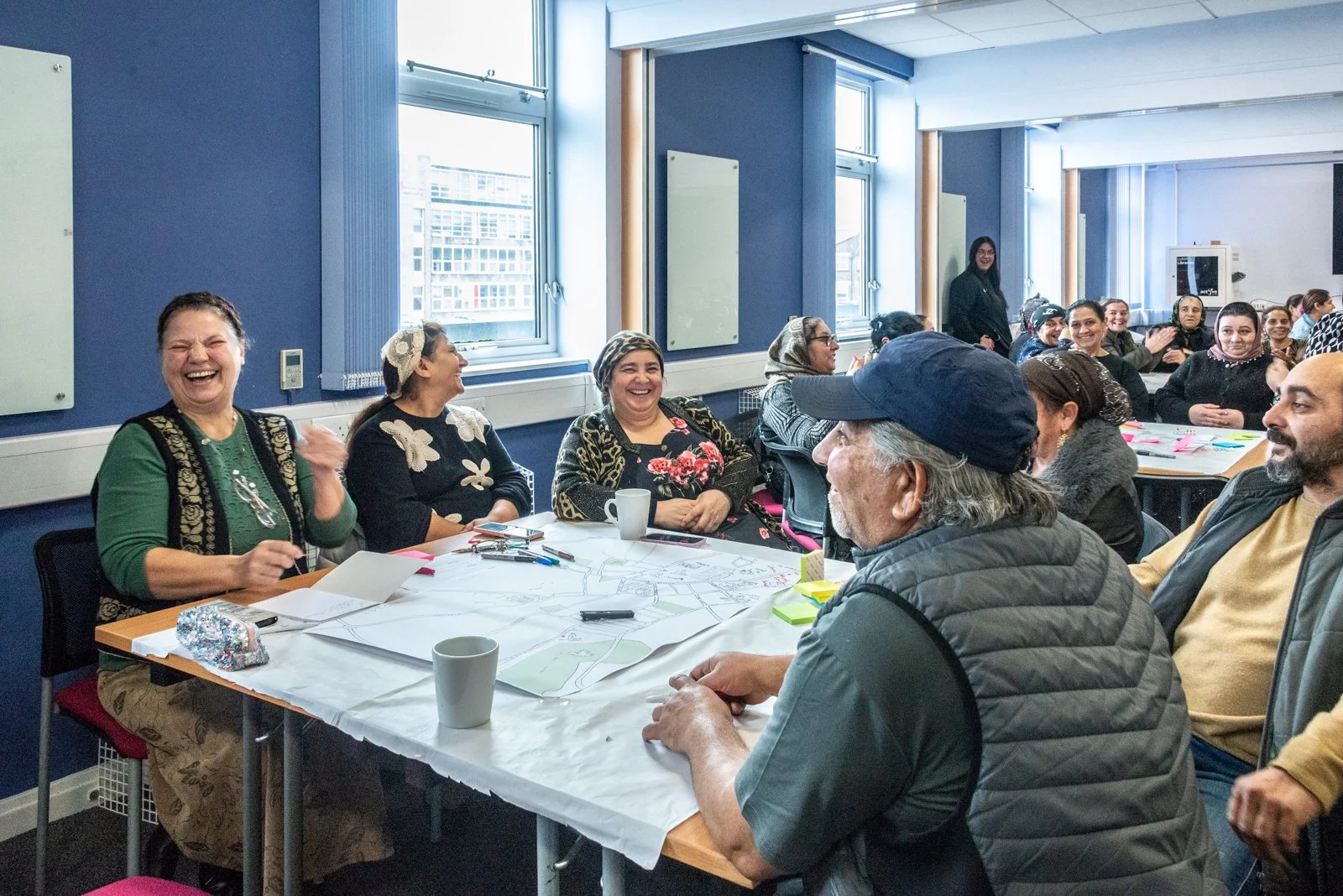
Participatory mapping allows people to visually and collectively explore their neighbourhoods and highlight:
places they appreciate, value, and enjoy
spaces they avoid or find difficult
visions and hopes for ageing well in the future
For RomaPlaceAge, this approach was especially important. These workshops were entirely composed of Roma participants, ensuring that discussions were shaped by Roma voices, knowledge, and perspectives throughout.
Co-researchers leading the way
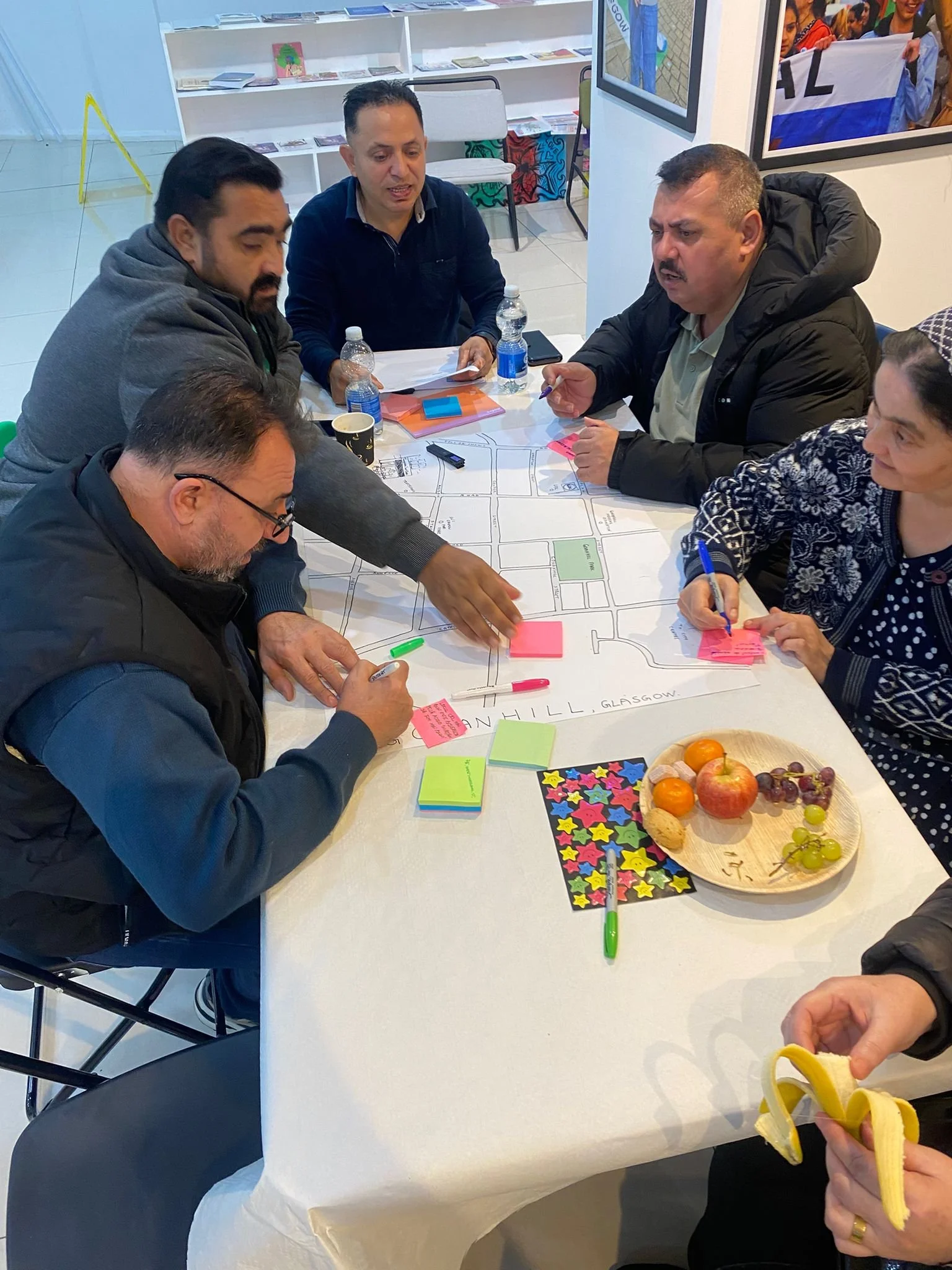
A special shout-out goes to our Roma co-researchers, who played a central role in making these workshops such a success.
For many of them, this was the first time facilitating a research workshop and they did an outstanding job. Our Roma co-researchers:
facilitated their own tables
introduced and explained the workshop themes and questions
led group discussions
fed back key points to the wider group during collective reflections
Their leadership helped create open, confident discussions and ensured that participants felt comfortable to open up and frelly share their experiences as they live and age in their cities.
We are extremely grateful also to Dr Mitch Miller from the Glasgow School of Art who not only created the maps fur us but also came along and supported the workshops in all three case study sites.
Diverse Roma communities shared conversations
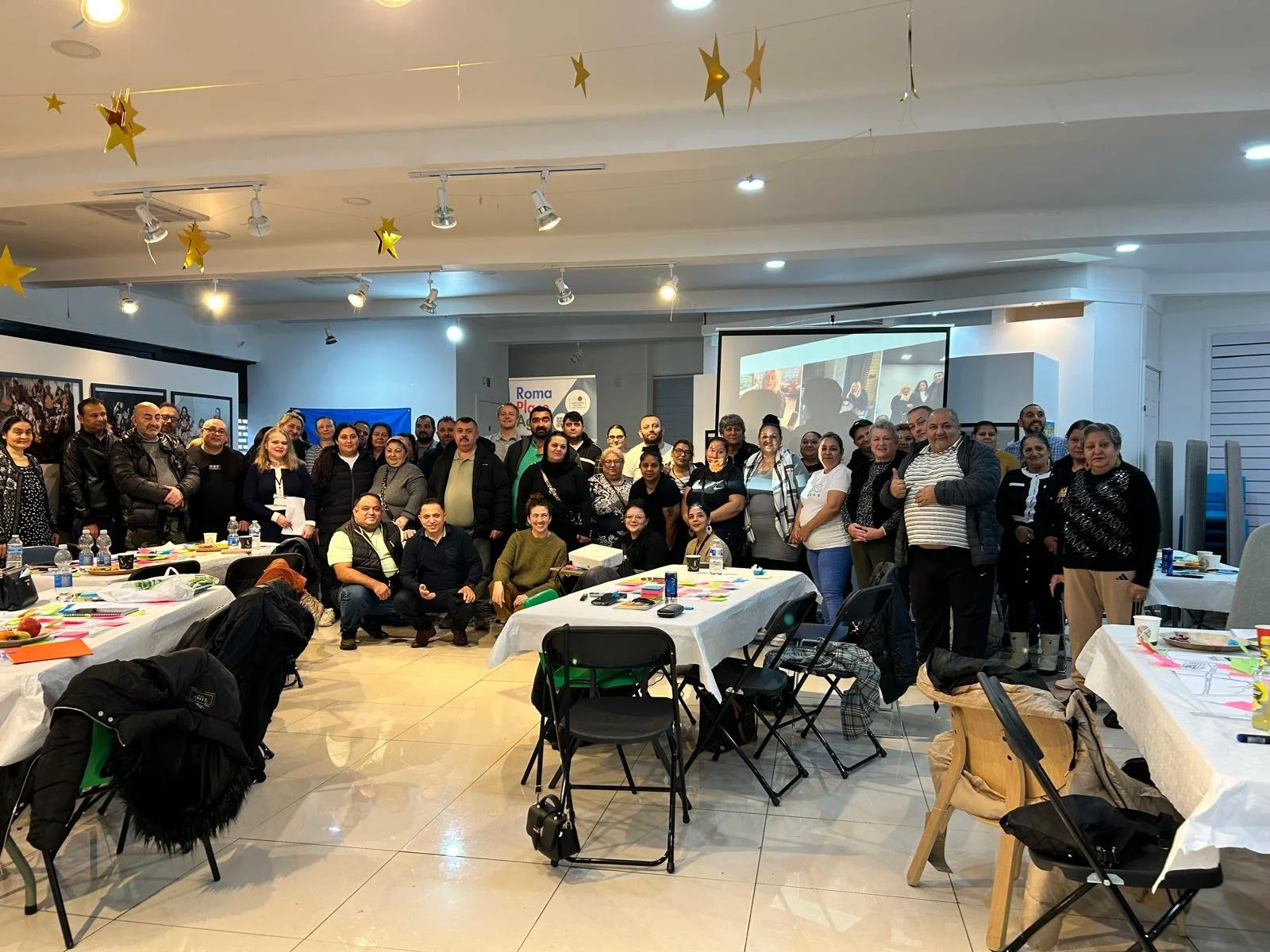
Across the three sites, participants included Roma originally from:
Slovakia
Czechia
Romania
Bulgaria
Altogether, 114 Roma participants took part in the mapping workshops. Their contributions have significantly strengthened our understanding of the experiences, needs, assets, and priorities of Roma as they age, and they complement the wider interview, walking interview, and photo-diary work we have done within the project.
We extremely thankful to all Roma participants, co-researchers, and community partners for their suppport, time, openness, and energy. These workshops have laid an important foundation for the next stages of the project which includes co-analysis of the data and the co-production of future place-based interventions.