

When I travelled to Austin, Texas, in October 2026 with my colleague Michal Mizigar, I was looking forward to sharing our work with students at the University of Texas. What I hadn't fully anticipated was how much their questions would make me reflect on the purpose of our research and, more importantly, what should happen once the research is completed.
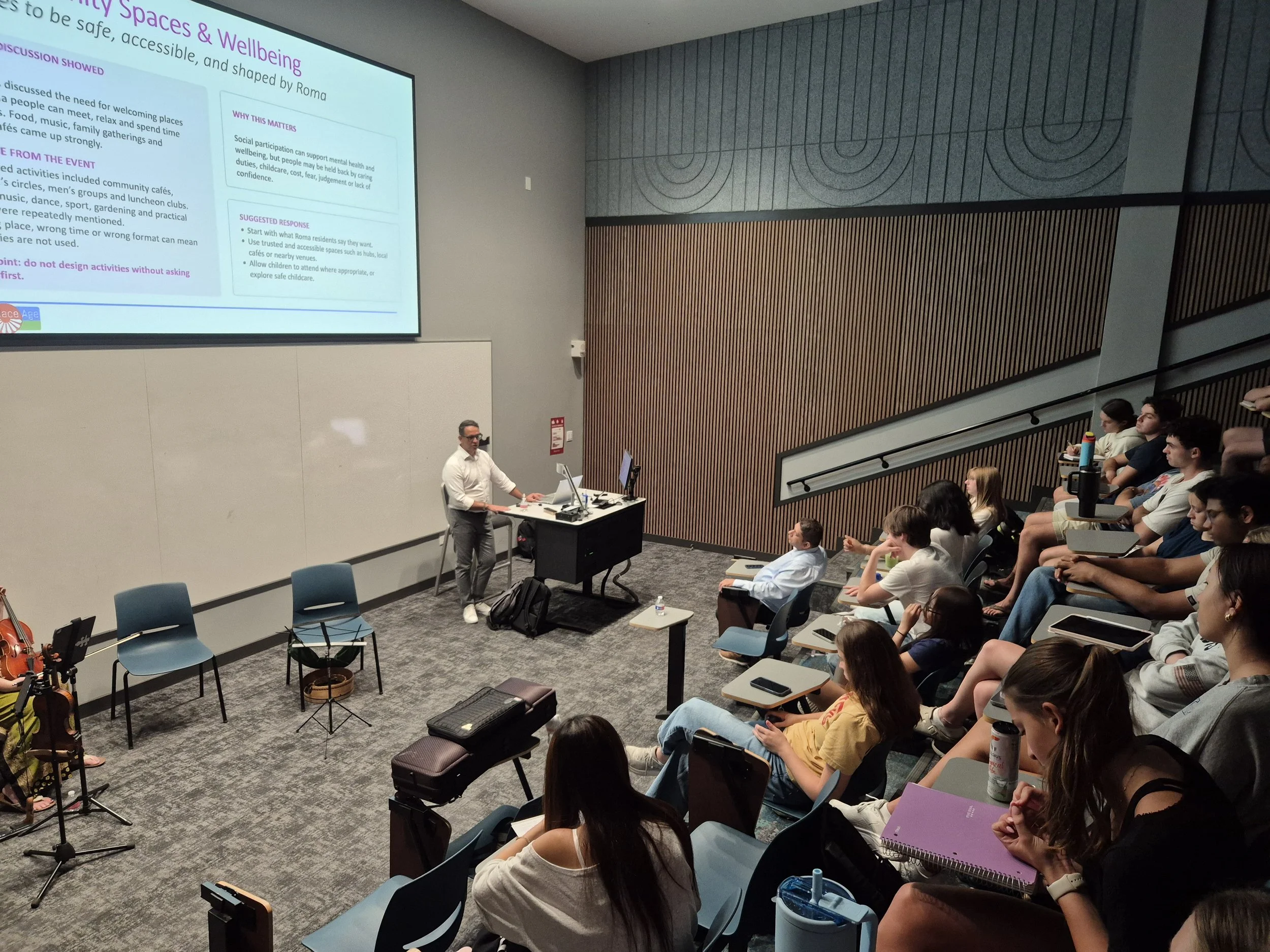
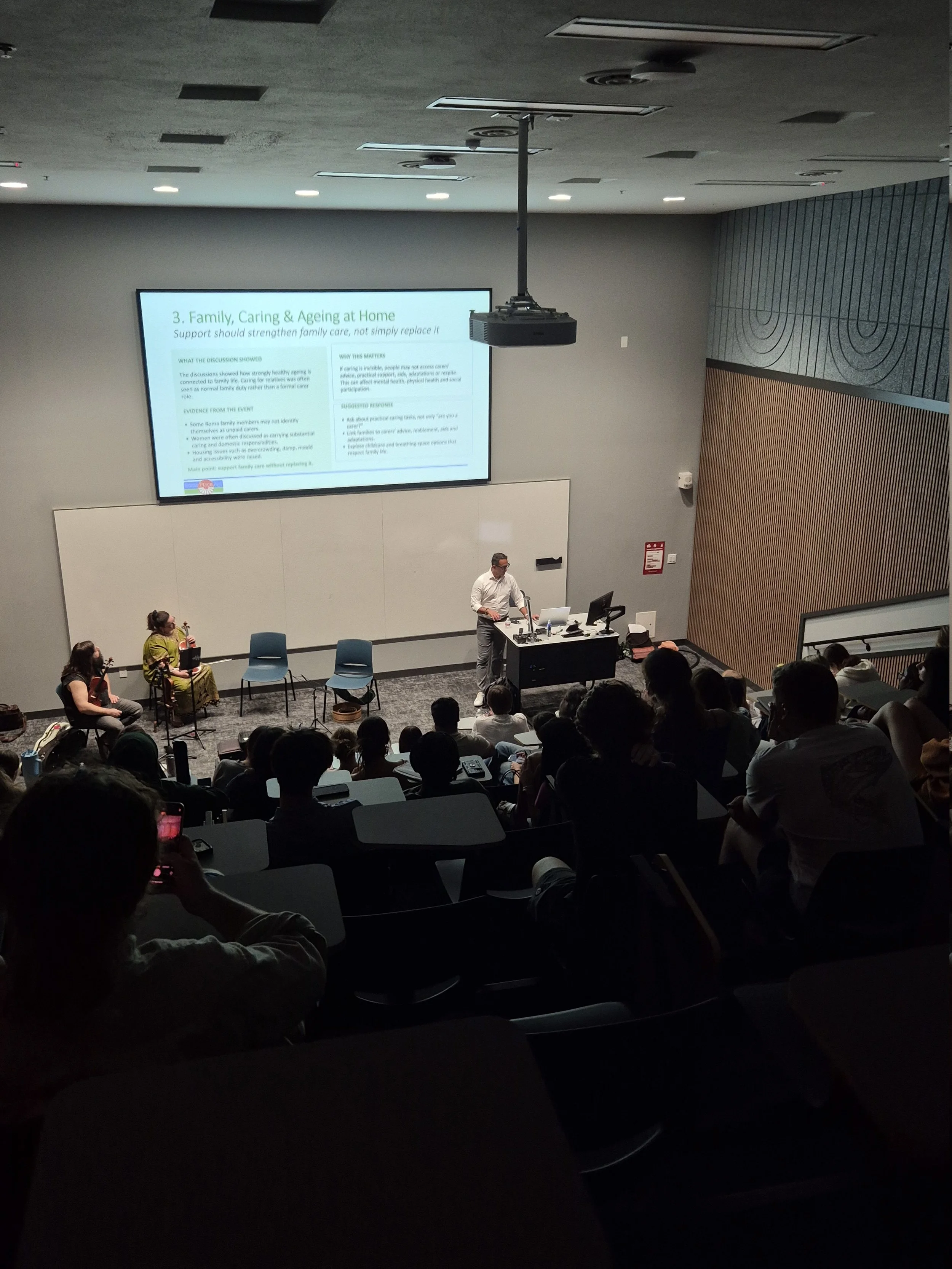
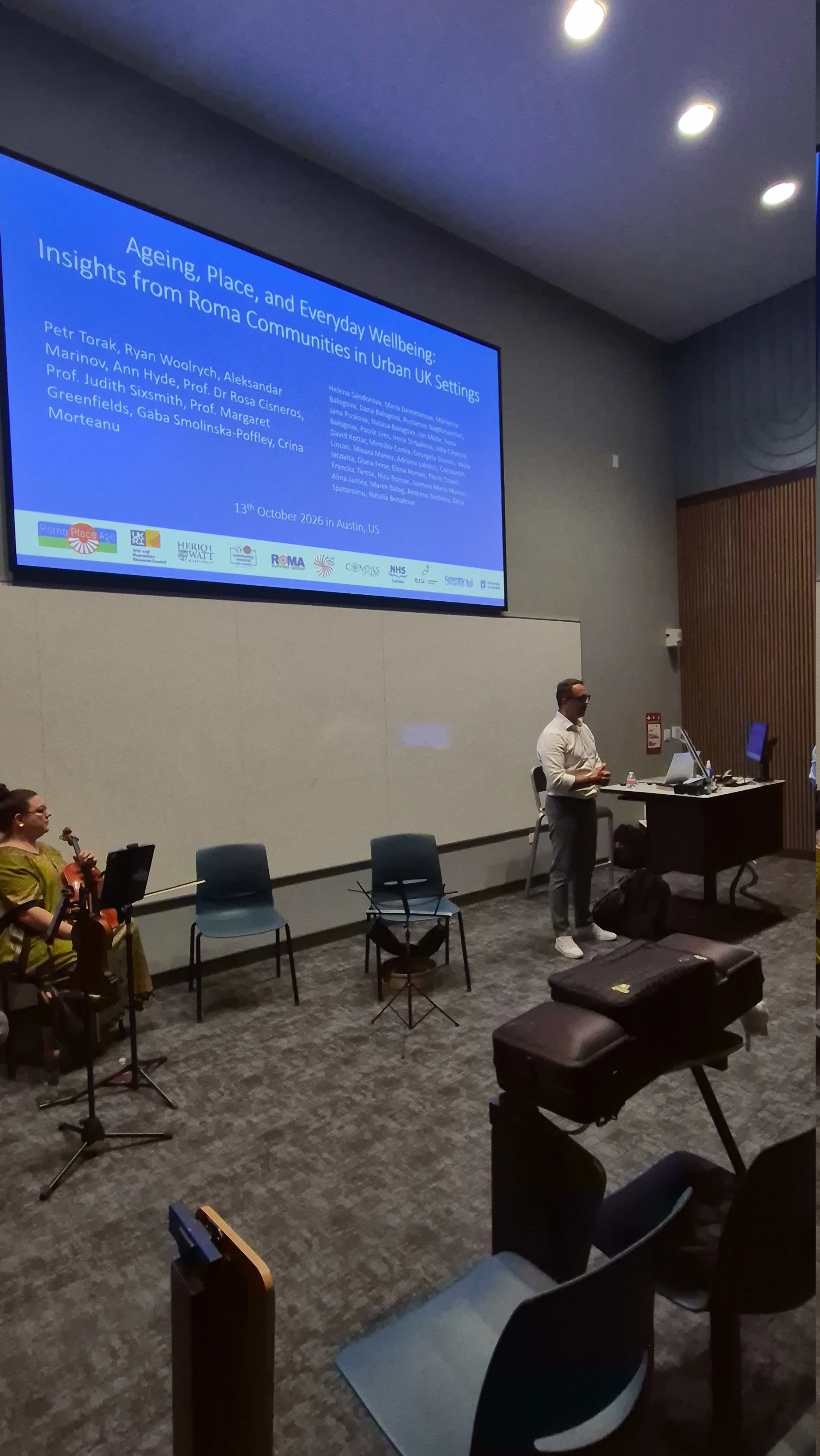
We were invited to speak to a class of over 40 students, sharing our experiences of Roma identity, culture and research. Michal focused on Romani music and its importance in preserving cultural identity, while I introduced the RomaPlaceAge research project and our work exploring the experiences of Roma communities in the UK, particularly those in middle and later life.
Having worked with Roma communities for many years, I am familiar with the challenges they face, including discrimination, social exclusion, poor housing and barriers to accessing public services. However, the RomaPlaceAge project has provided us with an opportunity to explore these experiences in greater depth, particularly through the perspectives of people whose voices are too often absent from academic research and public policy.
More than just collecting stories
One of the aspects that attracted considerable interest among the students was our research methodology.
I explained how RomaPlaceAge uses participatory approaches, including interviews, walking interviews and photo diaries, to understand people's lived experiences. Rather than treating Roma community members simply as research subjects, the project involves Roma co-researchers who bring their own experiences, cultural understanding and relationships with communities into the research process.
For me, this is one of the most important aspects of the project.
Historically, Roma communities have frequently been researched, discussed and represented by others. Too often, decisions have been made about Roma people without meaningful involvement from Roma communities themselves.
Participatory research offers an opportunity to challenge this approach. It recognises that people are experts in their own lives and that their experiences, knowledge and perspectives are essential to understanding the challenges they face.
The students were particularly interested in how we build trust, engage participants and ensure that people feel comfortable sharing sometimes very personal experiences. These questions reminded me that the methodology itself is not simply a technical part of research. It is also about relationships, respect and empowerment.
The question that stayed with me
During the discussion, several students asked questions about the findings and what would happen next.
Would the research influence government policy? Could it improve services for older Roma people? How would the findings be shared with communities? Would there be opportunities for further collaboration?
These were important questions, and they stayed with me long after the presentation.
As someone who has spent much of my professional life working directly with communities, I strongly believe that research should not end with an academic publication or a final report.
Research can help us understand inequalities, but understanding alone is not enough.
If we identify that older Roma people experience barriers to healthcare, social isolation, discrimination or difficulties accessing appropriate support, we must also consider how this knowledge can contribute to practical solutions.
This is particularly important when working with communities that have historically experienced exclusion and mistrust towards institutions.
People give researchers their time, share their personal stories and sometimes revisit difficult experiences. We have a responsibility to ensure that their contributions are valued and that the knowledge generated has the potential to make a difference.
For me, the real measure of success will not simply be how many people read our findings, but whether those findings help improve the lives of Roma people.
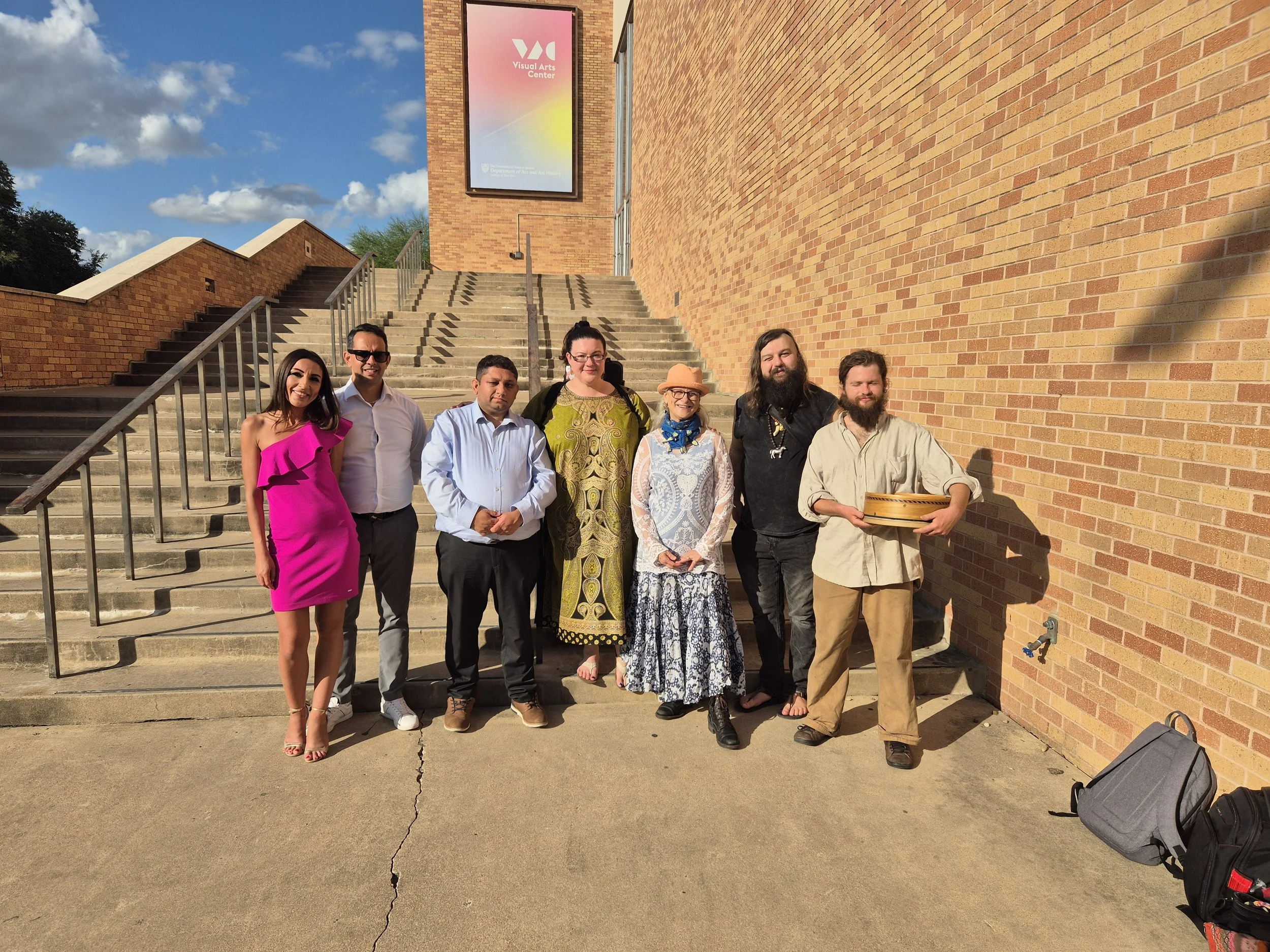
Building connections across borders
Another particularly valuable part of our visit was an informal discussion with university professors, led by Dr Sonia Tamar Seeman, Associate Professor at the University of Texas at Austin.
This provided an opportunity to exchange perspectives and reflect on the wider significance of Roma research, identity and representation.
Although Roma communities live in different countries and experience different social and political environments, many of the challenges they face are interconnected. Questions of belonging, identity, discrimination and access to opportunities are not limited by national borders.
I was also encouraged by the genuine curiosity of the students. Several expressed an interest in staying in contact and asked whether they could reconnect with us early next year to learn more about the project's progress and findings.
To me, this demonstrates the importance of taking community-based research beyond its immediate geographical and academic environment. Sharing our experiences internationally can challenge stereotypes, generate new ideas and encourage future researchers to approach Roma communities with greater understanding and respect.
Research with communities, not just about them
On my return from Texas, I found myself reflecting on how far we have come in terms of Roma representation in research, education and public life, but also how much work remains to be done.
As a Roma person, I know how important it is for our communities to be seen not only through the lens of disadvantage, but also as people with knowledge, resilience, skills and valuable contributions to make.
The RomaPlaceAge project provides an opportunity to demonstrate this.
It is not simply about documenting the challenges of growing older within Roma communities. It is also about understanding people's strengths, relationships, aspirations and the ways they navigate their everyday lives.
Our visit to Austin reinforced my belief that meaningful research must create space for Roma voices, encourage dialogue and ultimately contribute to positive change.
I left the University of Texas feeling encouraged, not only by the interest shown in our project, but by the thoughtful questions raised by the next generation of students and researchers.
And perhaps that is one of the most valuable outcomes of our visit: knowing that conversations about Roma experiences, participation and equality are reaching new audiences thousands of miles away from the communities where our research began.
Because Roma voices deserve not only to be heard, but to shape the decisions and changes that affect their lives.