As part of the RomaPlaceAge project, Rosa Cisneros recently visited the United States, where she was invited to teach within the University of Wisconsin-Madison Dance Department. The visit provided an opportunity to share research, teaching, and creative practice with students and faculty, exploring how arts-based approaches can support healthy ageing, wellbeing, community connection, and cultural sustainability.
A key element of the visit were flamenco masterclass lecture-demonstrations, which explored the rich Roma influences and histories embedded within flamenco traditions. Drawing connections between flamenco's Roma roots and themes emerging from RomaPlaceAge, the session highlighted the importance of embodied cultural knowledge, intergenerational learning, resilience, and the role of artistic practice in sustaining community identities.
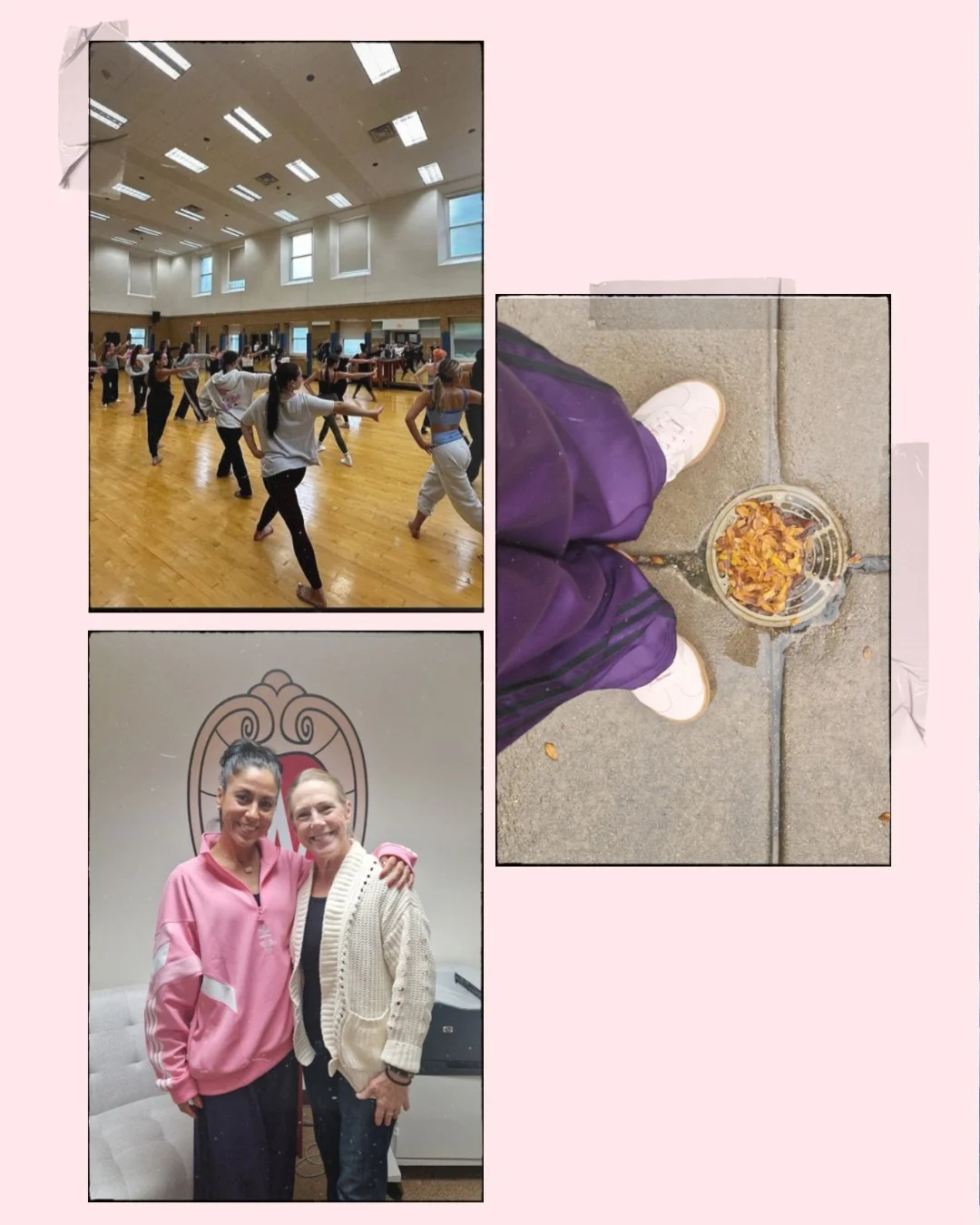
The visit was particularly meaningful given the history of the University of Wisconsin-Madison Dance Department. Founded in 1926 by Margaret H'Doubler, the programme was the first academic dance department in the United States and is widely recognised for its pioneering approach to dance education. H'Doubler's philosophy challenged traditional models of dance training by integrating creativity, critical inquiry, scientific understanding, and experiential learning, encouraging students to view dance as both an artistic practice and a mode of research and knowledge production. This commitment to innovation, embodied learning, and social engagement continues to shape the department's work today.
Alongside practical teaching, Rosa delivered a research presentation exploring embodied research methods and the body as a holder and producer of knowledge. The talk introduced key concepts from the RomaPlaceAge project and discussed the importance of working with community researchers whose lived experiences contribute essential insights to the research process. It also explored the relationships between place, space, memory, identity, and the body, demonstrating how knowledge is carried, expressed, and transmitted through movement, cultural practices, and everyday lived experience.
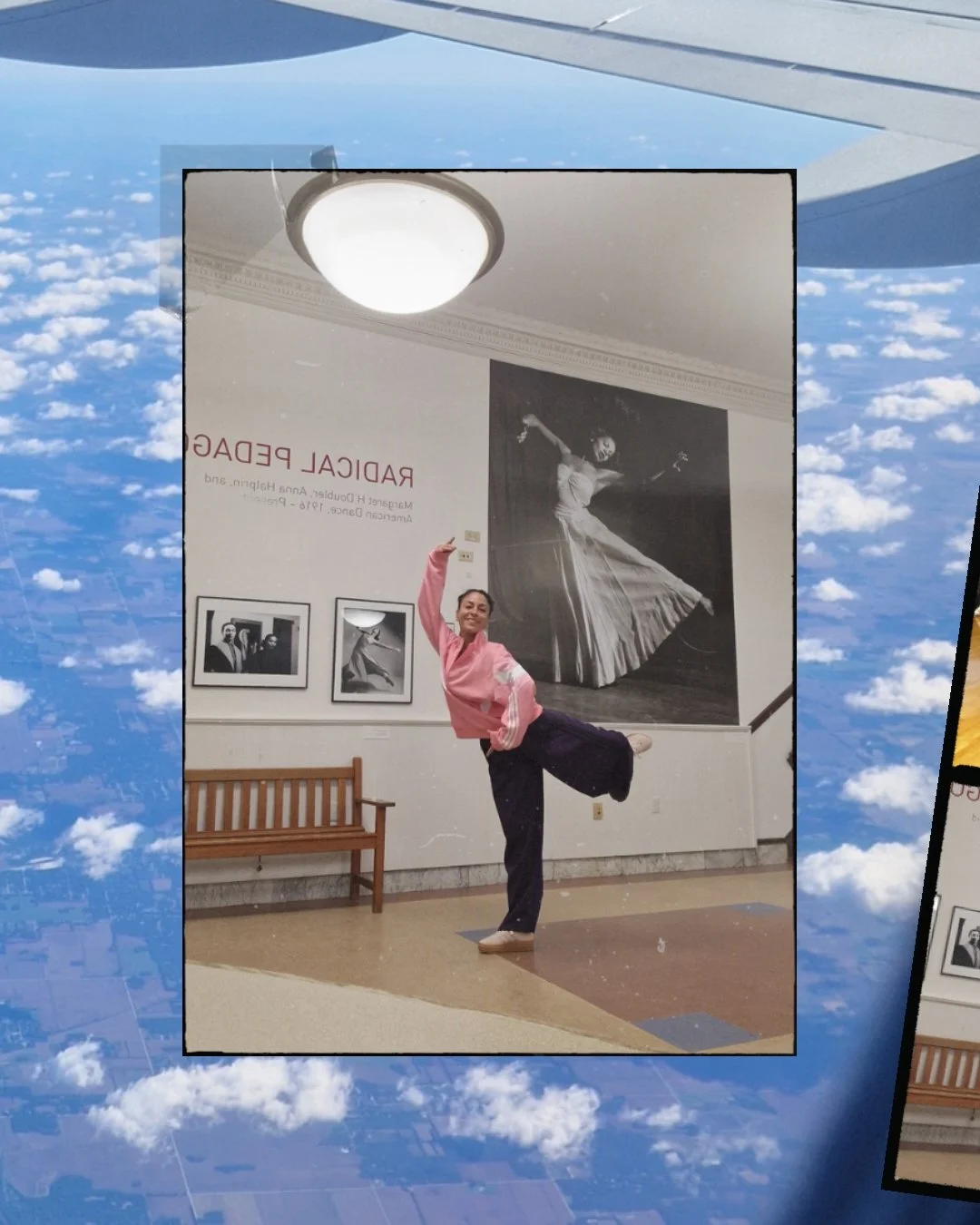
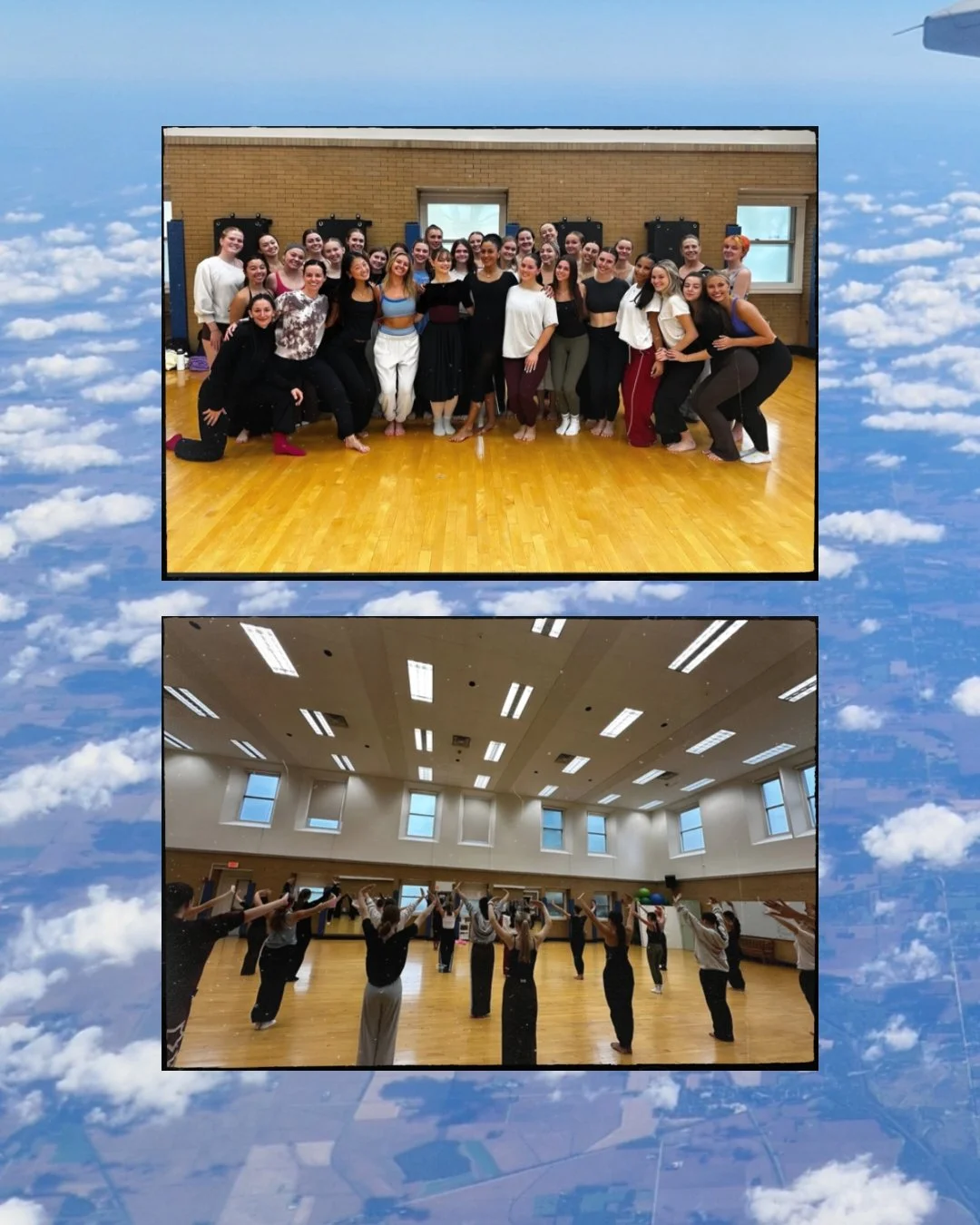
Building on these themes, Rosa worked with dancers and students and developed creative material inspired by the project's research. Through movement exploration, discussion, and collaborative practice, participants engaged with ideas of belonging, identity, resilience, wellbeing, and healthy ageing, translating research concepts into embodied artistic experiences.
The visit also provided valuable opportunities for dialogue and future collaboration. Through a series of one-to-one meetings with undergraduate students, graduate students, faculty members, and researchers, Rosa engaged in discussions around embodied pedagogy, community-engaged research, curriculum development, and innovative approaches to teaching and learning. These conversations explored potential future research avenues, particularly around education, curriculum design, participatory methodologies, and the role of creative practice within interdisciplinary research and knowledge exchange.
The visit highlighted strong connections between the values underpinning RomaPlaceAge and the long-standing educational philosophy of the Wisconsin programme. Through teaching, research presentations, mentoring, and creative collaboration, the exchange fostered new international relationships and demonstrated how dance, education, and community-engaged research can work together to promote wellbeing, cultural understanding, and meaningful social change.